Learn how intracytoplasmic sperm injection may be
considered as part of an IVF treatment plan.
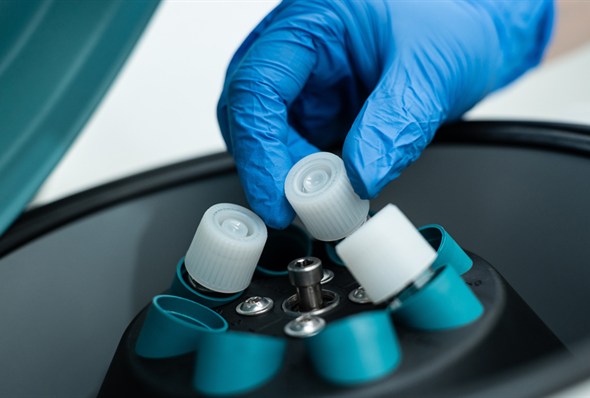
Intracytoplasmic sperm injection (ICSI) is a laboratory technique used during IVF. Instead of letting fertilization happen naturally in a dish, an embryologist injects a single sperm directly into each mature egg.
The rest of the treatment is the same as IVF: stimulation, egg collection, embryo development and transfer. ICSI can help overcome some barriers to fertilization, but it does not guarantee that eggs will fertilize or develop.

Semen analysis and a review of your history.
As in a standard IVF cycle.
A single sperm is injected into each mature egg.
A selected embryo is transferred and any others frozen.
ICSI improves the chance of fertilization when sperm factors are involved. For couples without sperm-related issues, it may not offer an advantage over standard IVF.
ICSI is a well-established technique used for decades. Your specialist will talk through current evidence and any considerations that apply to you.
Usually, yes. The decision is based on your assessment, although occasionally it is made on the day of egg collection.
Understand the stages of in vitro
fertilization, from initial assessment
to treatment planning and follow-up.
Explore the evaluations that may help
your specialist understand your
reproductive health.
Discuss options for preserving fertility
and factors to consider when planning
for the future.
Advanced embryo screening and
carrier testing to ensure the healthiest
start for your future family.
You don't have to have every answer before you
reach out. We're here to help you understand your options.