Understand the stages of in vitro fertilization, from initial
assessment to treatment planning and follow-up.
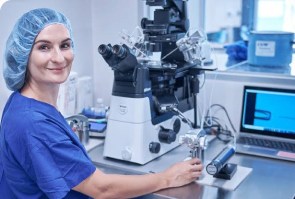
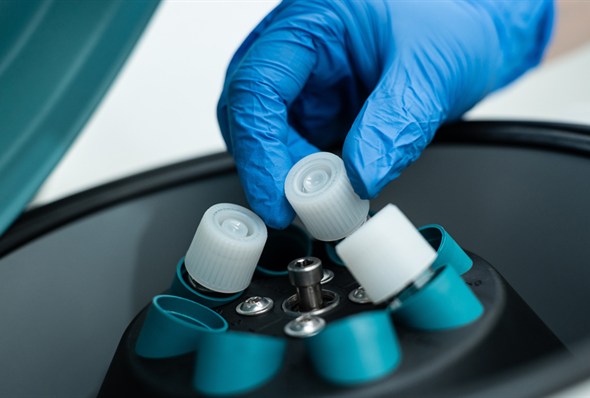
In vitro fertilization (IVF) brings eggs and sperm together in our laboratory. After fertilization, an embryo is carefully selected and placed in the uterus, and suitable remaining embryos can be frozen for the future.
IVF can help with many causes of infertility, including blocked or damaged fallopian tubes, endometriosis, ovulation disorders, lower sperm quality and unexplained infertility. Your specialist will explain whether IVF is a suitable option for you and which protocol may fit your circumstances.

Tests and a consultation to design your protocol.
Around 10–14 days of medication with monitoring scans.
A short procedure, then fertilization in our laboratory.
Transfer of a selected embryo, then a test two weeks later.
Most people find injections and scans manageable. Egg collection is done under sedation, and mild cramping afterwards is common for a day or two.
In most cases we recommend transferring one embryo at a time, which reduces the risks associated with multiple pregnancy.
We will review the cycle with you in detail and discuss what, if anything, might be changed in a future cycle.
Learn how intracytoplasmic sperm
injection may be considered as part of
an IVF treatment plan.
Explore the evaluations that may help
your specialist understand your
reproductive health.
Discuss options for preserving fertility
and factors to consider when planning
for the future.
Advanced embryo screening and
carrier testing to ensure the healthiest
start for your future family.
You don't have to have every answer before you
reach out. We're here to help you understand your options.